
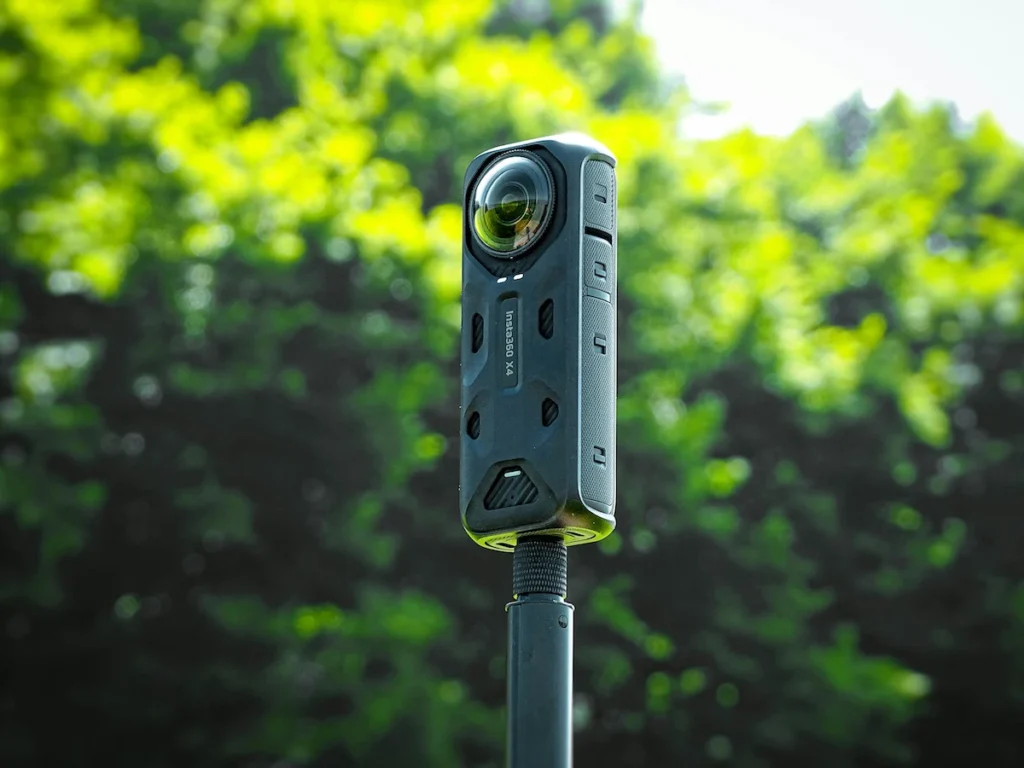

Your prospects want to understand a place before they travel to see it. Your visitors would like to access spaces that may be distant, fragile or difficult to reach. Your teams, meanwhile, want to focus physical visits on the most qualified enquiries.
An immersive virtual tour responds to these needs by making a space accessible, understandable and explorable remotely. It does not replace the on-site experience. It prepares it, enriches it and, in some cases, makes it possible for audiences who would not otherwise have access.
Before choosing a solution, it is useful to understand what it actually covers: 360° tours, 3D scanning, virtual reality, real estate use cases, cultural mediation and the limits to anticipate.
💡 To get straight to the point, here are the key takeaways.
- An immersive virtual tour allows users to explore a space remotely with freedom of movement, making them active participants rather than passive viewers
- It combines several technologies such as 360° photography, 3D scanning and sometimes virtual reality, depending on the level of immersion required
- In B2B real estate, it helps qualify prospects, improve understanding of assets and focus physical visits on the most relevant opportunities
- For heritage organizations, it enhances accessibility, supports preservation efforts and enables new forms of cultural mediation
- It does not replace physical visits but prepares and enriches them, making each interaction more informed and efficient
- The real value lies not in the technology itself, but in choosing the right level of immersion for a specific use case
Definition: what is an immersive virtual tour?
An immersive virtual tour is an interactive digital experience that allows a user to explore a real or reconstructed space remotely, as if they were physically there. It most often relies on several 360° viewpoints linked together, creating the impression of moving smoothly from room to room, gallery to gallery or site to site.
What distinguishes an immersive virtual tour from a simple photo gallery or a traditional video is the freedom it gives the visitor: they choose their own path, their own pace and the details they want to focus on. They are no longer just watching. They are actively exploring.
This interactive dimension is at the heart of the format’s value. It helps users understand a space more clearly, picture themselves in it more easily and make an initial decision with more context.
The technologies behind it
An immersive virtual tour is not a single technology. It is a combination of several digital building blocks, assembled according to the project, the desired level of immersion and the target audiences.
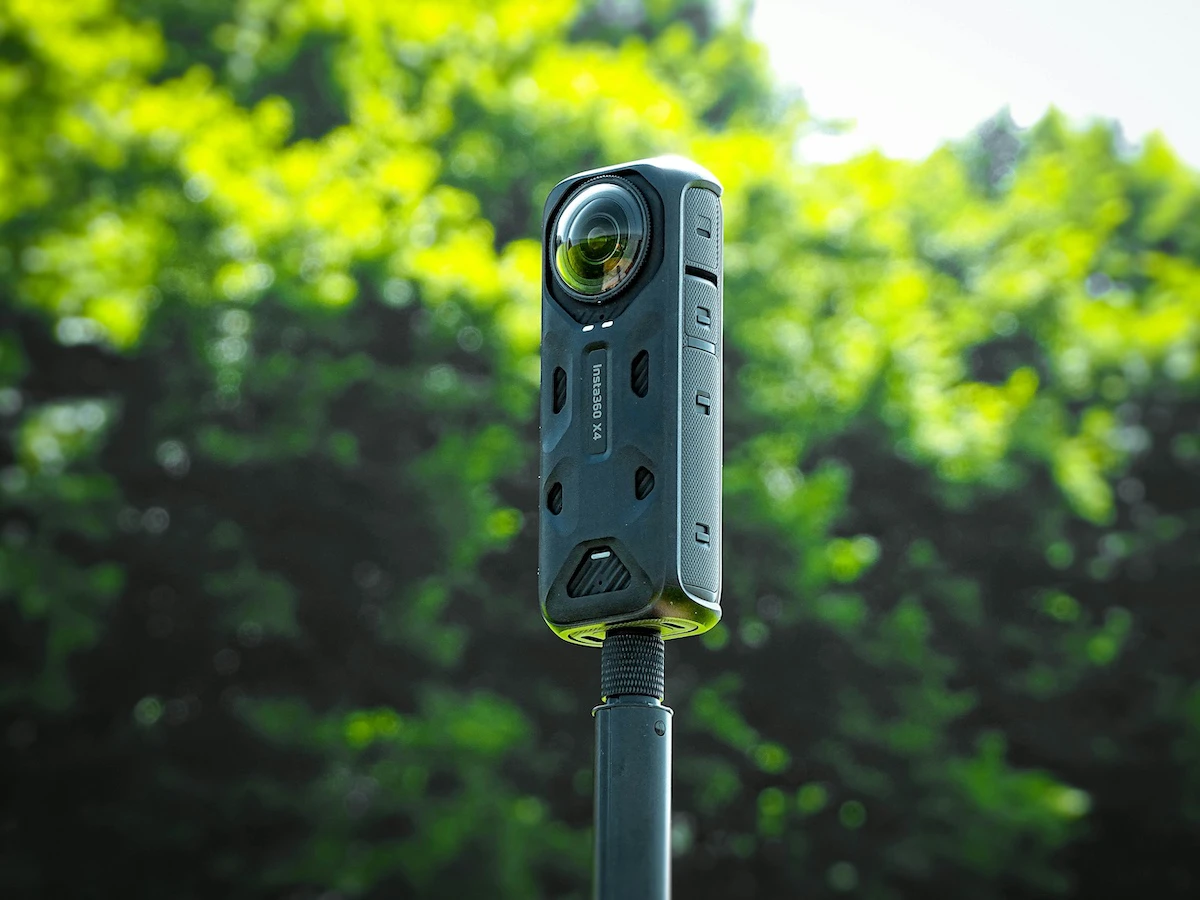
High-definition 360° photography is the most common foundation. Specialized cameras capture a complete spherical scene from a fixed point. These images are then stitched together to create a continuous on-screen navigation experience, accessible from a computer, tablet or smartphone.
3D scanning, with solutions such as Matterport or equivalent technologies, goes further. It creates a three-dimensional model of the space, with measurements, floor plans and a more precise volumetric representation. This approach is particularly useful for complex spaces, professional real estate assets, heritage buildings or places that need to be documented over time.
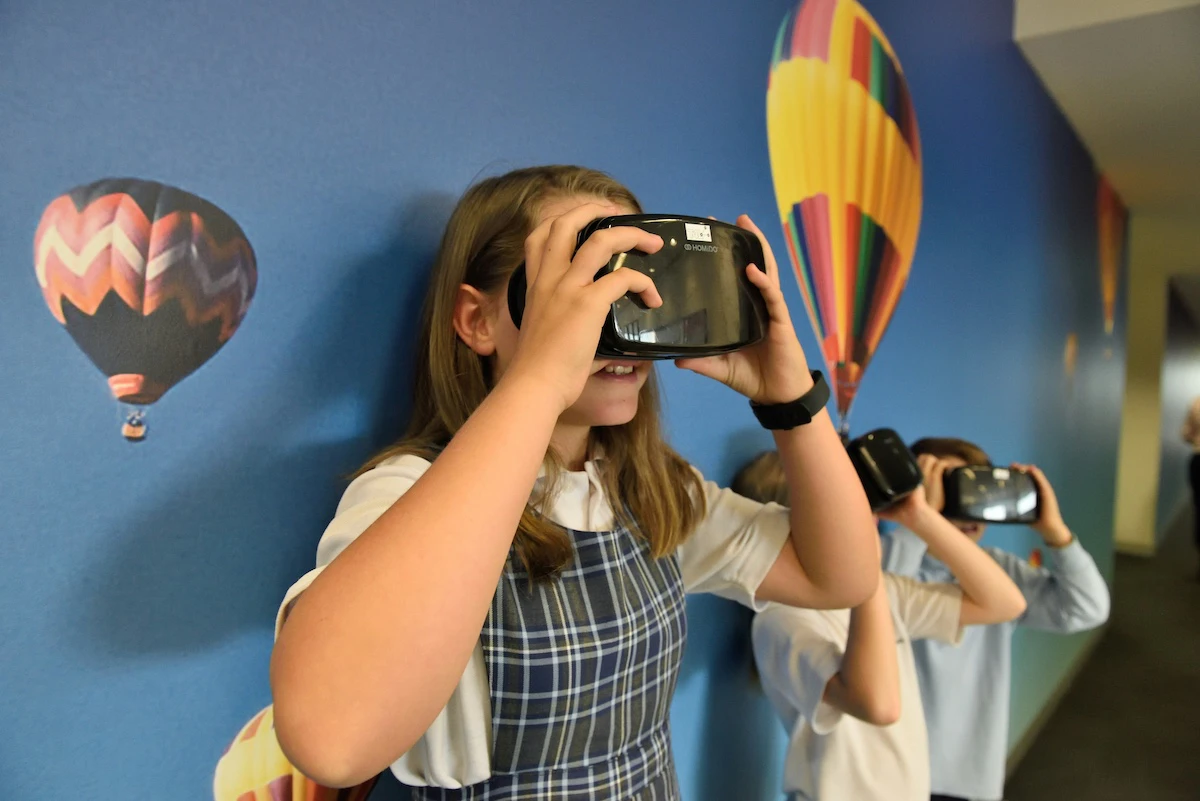
Virtual reality, finally, adds a more complete layer of immersion through a dedicated headset. The user perceives volumes, proportions and distances in stereoscopic three dimensions. The experience becomes closer to a physical presence in the space, even though it remains a simulation. This option is particularly relevant for high-end properties, off-plan developments, spaces that have not yet been built or certain premium cultural mediation experiences.
Key takeaway: a 360° tour, a 3D virtual tour and a virtual reality experience do not mean exactly the same thing. An immersive virtual tour generally refers to a combination of these technologies, calibrated according to the objective, the budget and the target audience.
What immersive virtual tours bring to B2B real estate
For agencies, developers and asset managers, immersive virtual tours are not just a presentation format. They are a tool for decision-making, commercial qualification and asset valorization.
They help qualify prospects before contact. By allowing a prospect to explore a property remotely, the virtual tour gives them a first concrete understanding of the space: volumes, flow, natural light, general condition and potential uses. People who then make contact already have a higher level of information. The commercial conversation can therefore move faster and focus on more precise questions.
According to Matterport1, buyers are significantly more engaged with properties presented through 3D tours than with photos alone. This type of data should be read as an indicator from a market player, but it confirms a broader trend: the clearer a property is online, the easier it is for prospects to picture themselves in it before requesting a physical visit.
They accelerate projection into the property. In new-build real estate, offices, retail spaces or premium assets, it is often difficult to understand a space through floor plans or photos alone. An immersive virtual tour makes the place more tangible. It helps the user visualize proportions, circulation and possible uses.
In the case of a project that has not yet been built, 3D modelling or virtual reality can also help a buyer, investor or future user picture themselves in a space that does not yet physically exist.
They reduce poorly qualified visits. Physical visits remain essential, especially when the financial stakes are high. But they can be better prepared. A well-designed virtual tour allows prospects to rule out properties that do not match their criteria more quickly, while strengthening the interest of those who want to go further.
For an agency or developer, the goal is not to eliminate physical visits. It is to reserve them for the most serious, best-informed and most commercially useful conversations.
They are part of a strategic market shift. CoStar Group’s acquisition of Matterport, announced in 2024 for approximately $1.6 billion, illustrates the growing importance of 3D tours and digital twins in real estate services. This is not only a communication trend. It is a strong signal of how the industry is gradually structuring the presentation, data and commercialization of spaces.2
What immersive virtual tours bring to heritage organizations
For museums, historic monuments, local authorities and preservation associations, immersive virtual tours respond to different needs: accessibility, valorization, transmission and documentation.
They remove certain physical barriers. A digitized tour can make a monument or exhibition accessible to people with reduced mobility, geographically distant school groups, international researchers or audiences who cannot travel. It can also help prepare an on-site visit or extend the experience after the visit.
For example, the French Ministry of Culture3 offers an online tour portal where users can discover permanent collections or museum exhibitions free of charge from a phone, tablet or computer.
They help document and preserve heritage. The 3D digitization of a building, site or cultural space can provide a reference base for restoration teams, architects, researchers and local authorities. It can document an existing condition, track certain changes over time and preserve a record of fragile, transformed or temporarily accessible spaces.
The CMN Numérique program, led by the Centre des Monuments Nationaux as part of PIA44, aims in particular to better document, store and use 3D models and virtual tours of monuments, while exploring new fields of valorization.
They modernize cultural mediation. An immersive virtual tour can go beyond the simple digital reproduction of a place. When it is enriched with narration, educational content, archives or live mediation, it becomes a true learning tool.
The archaeological site of Glanum5, for example, offers a remote 360° guided tour for school groups, led by a heritage mediator and followed from the classroom. This type of format shows that a virtual tour can become a living tool for transmission, not just a digital catalogue.
✨ XR isn’t here to impress. It’s here to be useful.
If you’d like to go further, we’ve gathered concrete XR project examples (visualize, train, engage) with realistic formats.
What an immersive virtual tour is not
It does not replace the physical visit. It prepares it, qualifies it and enriches it. In real estate, it helps a prospect quickly understand an asset before travelling. In heritage, it can open access to distant or prevented audiences, without reducing the value of the on-site experience.
It is not a technological gimmick. Its value does not come from novelty, but from the way it is integrated into a clear journey: lead generation, visit preparation, cultural mediation, institutional communication, heritage documentation or commercial support.
It is not reserved for large budgets. Not every immersive tour requires a VR headset or complex modelling. A 360° tour accessible through a web browser can already be a relevant entry point for an independent agency, a local authority, a heritage association or a smaller cultural venue.
The challenge is therefore not to choose the most impressive technology. It is to choose the right level of immersion for the right use case.
In summary
An immersive virtual tour is an interactive spatial presentation technology. It can combine 360° photography, 3D scanning, modelling and, in some cases, virtual reality.
Its value is simple: making a space easier to understand, easier to access and easier to explore remotely. For real estate professionals, it becomes a lever for qualification, projection and commercial efficiency. For heritage organizations, it opens up new possibilities for accessibility, documentation and cultural mediation.
Used well, it does not put technology at the centre. It puts the place, the audience and the use case first.
Identify the right immersive tour for your project
Professional real estate, built heritage, cultural mediation: each context calls for a different level of immersion. We help you choose a solution that is useful, realistic and adapted to your audiences, without oversizing the setup.
📌 Let’s see what’s truly relevant for you
We help you clarify where XR can genuinely create value, based on your context, your priorities, and your teams.