
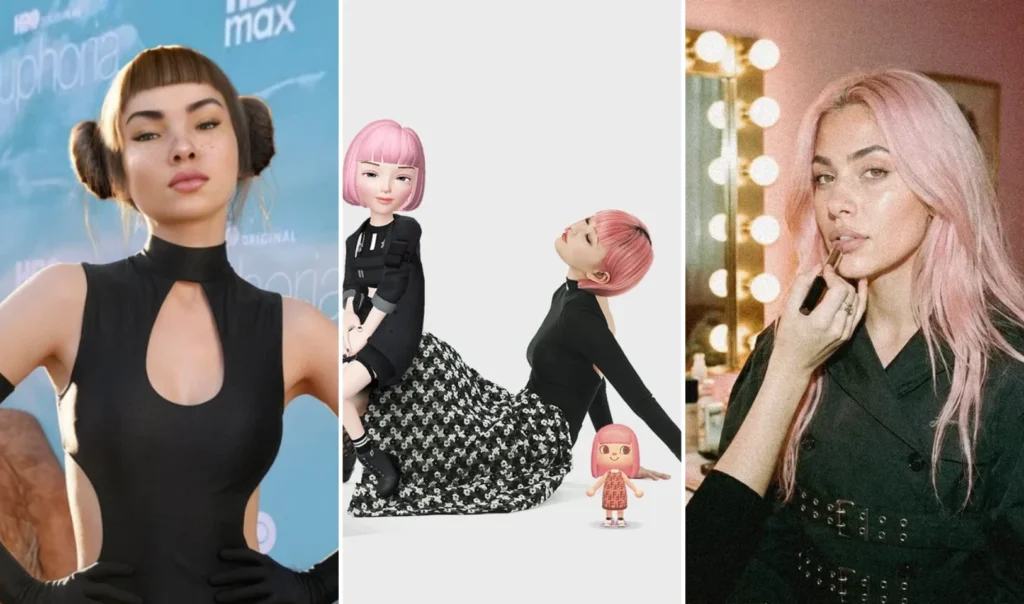
You may have already come across their faces on Instagram, TikTok, or in a brand campaign, without always knowing whether they were real. Virtual influencers, these digital characters created in 3D, computer-generated imagery, or with the help of artificial intelligence, are no longer just a curiosity reserved for major fashion houses.
They have become a communication tool in their own right. Some brands use them to embody a universe, launch a product, reach younger audiences, or explore new narrative formats. For a small or medium-sized business, the goal is not necessarily to create the next global phenomenon. It is rather to understand what these examples reveal: a brand can now build a character, a voice, and a coherent digital presence without relying only on human faces.
💡 To get straight to the point, here are the key takeaways.
- Virtual influencers are digital characters designed to exist on social media like real content creators.
- Brands such as BMW, IKEA, Samsung, Balmain, and Warner Music use them to embody a universe, launch products, or create more immersive brand experiences.
- Their main value is not only image control, but the ability to build a consistent, scalable, and recognizable brand asset over time.
- A virtual influencer is not automatically simpler, cheaper, or safer than a human influencer: it requires strategy, art direction, and ethical thinking.
- For small and medium-sized businesses, the most realistic starting point is often an avatar, mascot, or recurring character rather than a full virtual influencer.
What is a virtual influencer?
A virtual influencer is a fictional character designed to exist on social media like a content creator. It has an identity, a personality, an aesthetic, sometimes a story, and can publish content, interact with a community, or appear in brand campaigns.
The difference with a human influencer lies in the level of control. The brand or studio behind the character controls its image, message, editorial calendar, and evolution. This does not remove all risks, because a virtual character can also be poorly received if it lacks authenticity, transparency, or consistency. But it does open up a very different creative space.
To explore this definition further, we have written a full article on the topic. In it, we explain how these digital characters work, why brands are paying attention to them, and in which cases they can become a real communication lever.
The phenomenon is attracting growing interest from brands, even though market estimates vary significantly from one research firm to another. Some studies estimate the market at several hundred million dollars as early as 2026, with continued growth in the following years, but projections differ widely depending on the source. It is therefore better to focus on the trend rather than a single figure: brands are testing, structuring, and professionalizing these new digital ambassadors.
9 examples of virtual influencers used by brands
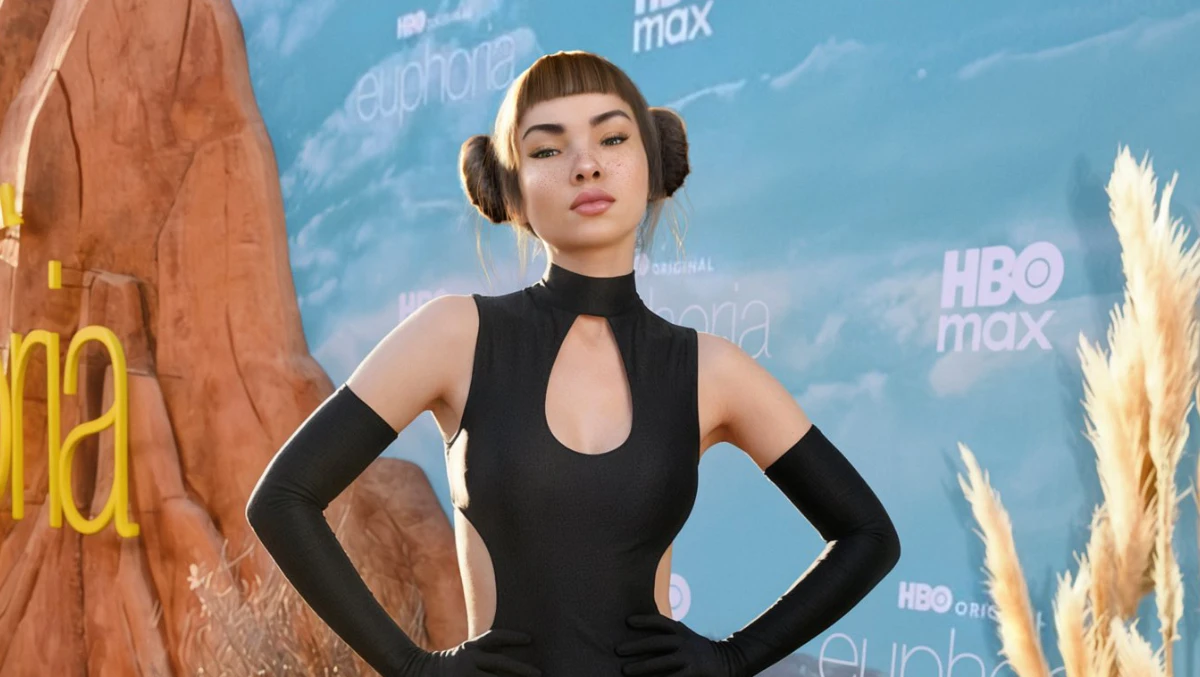
1. Lil Miquela: the pioneer turned cultural icon
Created in 2016 by the California-based startup Brud, Lil Miquela is probably the best-known virtual influencer in the world. She was named by Time among the 25 most influential people on the Internet in 2018, alongside major creators, artists, and media figures.
Her value for brands lies in her ability to blur the lines between fiction, fashion, music, and digital culture. She has collaborated with brands such as Prada, Calvin Klein, Samsung, and Dior, and has also been associated with BMW to promote the electric iX2. For a brand, Lil Miquela shows that a virtual character can become a media channel in its own right, provided it is supported by a strong identity and continuous storytelling.
2. Lu do Magalu: the avatar that became the face of an e-commerce giant
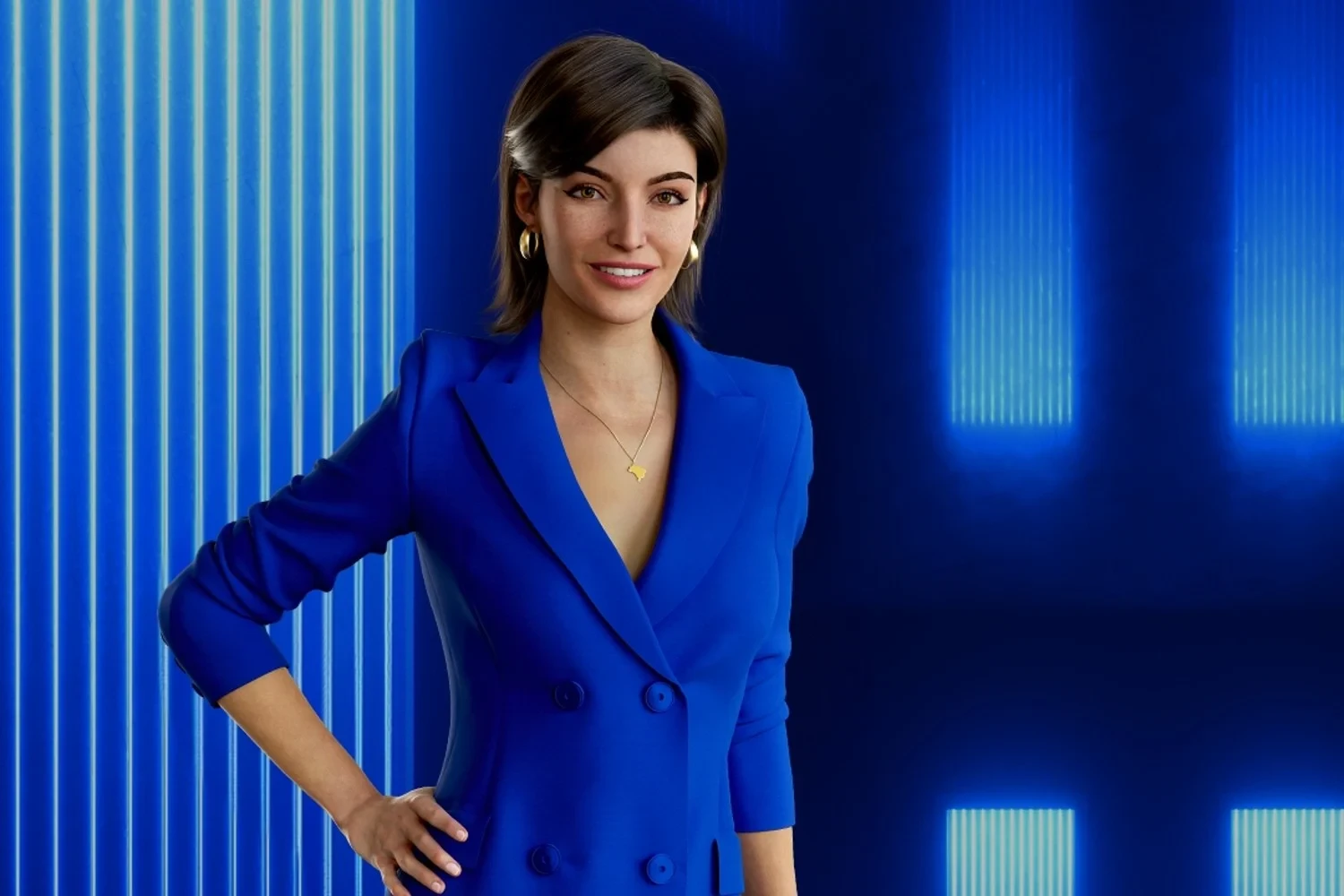
Lu do Magalu is a very different case. Born in Brazil as a virtual shopping assistant for Magazine Luiza, she gradually became one of the most-followed virtual characters in the world. In 2022, LBB described her as the world’s biggest virtual influencer, with more than 31 million followers across social platforms.
Her value is strategic: Lu is not just a brand ambassador. She is directly connected to Magazine Luiza’s commercial ecosystem. She presents products, supports customers, embodies the brand, and creates a bridge between content, e-commerce, and customer relations. This is a very useful example for companies that do not simply want to “do influencer marketing”, but want to build a character capable of serving several functions: education, sales, support, and loyalty.
3. Imma: realism in service of the brand experience
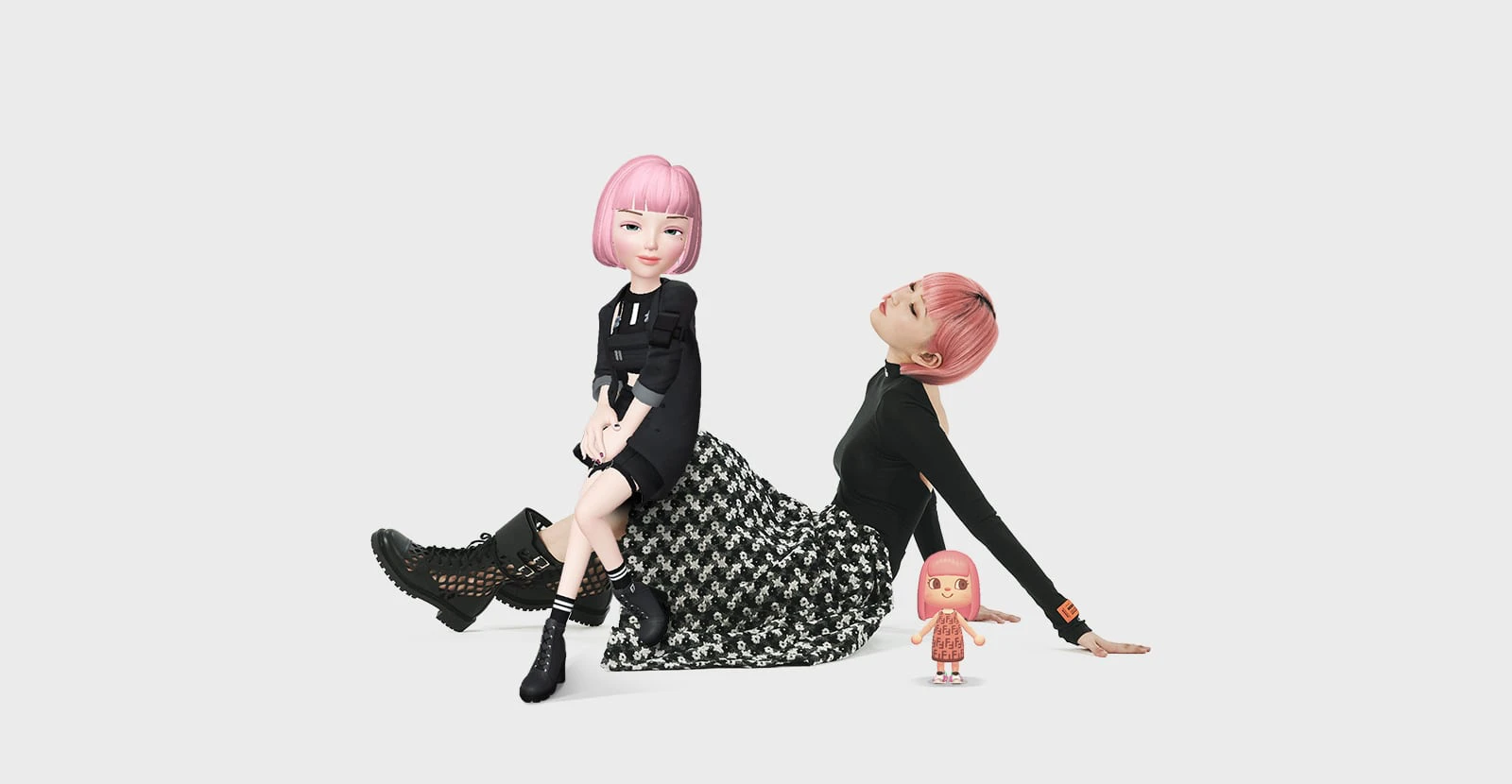
Imma is a Japanese virtual model created by the studio Aww Inc. Her style relies on highly credible integration into real environments. She does not look like a video game avatar, but rather like an almost natural presence in everyday scenes.
Her partnership with IKEA Japan for the opening of the Harajuku store is one of the most interesting examples. For 72 hours, Imma was staged inside an apartment visible from the street, giving the impression that she was living inside the physical store space. The campaign played with the boundary between real and virtual, while serving a clear objective: inspiring young urban Japanese audiences to rethink their interiors.
This case shows that a virtual influencer is not just a face for Instagram. It can become a brand experience, a retail device, an installation, or an immersive medium.
4. Noonoouri: from fashion to a music contract
Noonoouri is a stylized avatar created by the German agency Opium Effect. She belongs to the world of luxury, with a highly recognizable aesthetic that is deliberately less realistic than other virtual characters.
She has collaborated with many fashion and beauty brands, then moved into a new territory by signing with Warner Music Central Europe. In 2023, Warner Music announced the release of her first single, making Noonoouri one of the first digital characters to officially enter the music industry.
The value for brands is clear: a virtual character can expand across several cultural territories. Fashion, music, beauty, social media, events. It becomes a living intellectual property asset that can evolve over time.
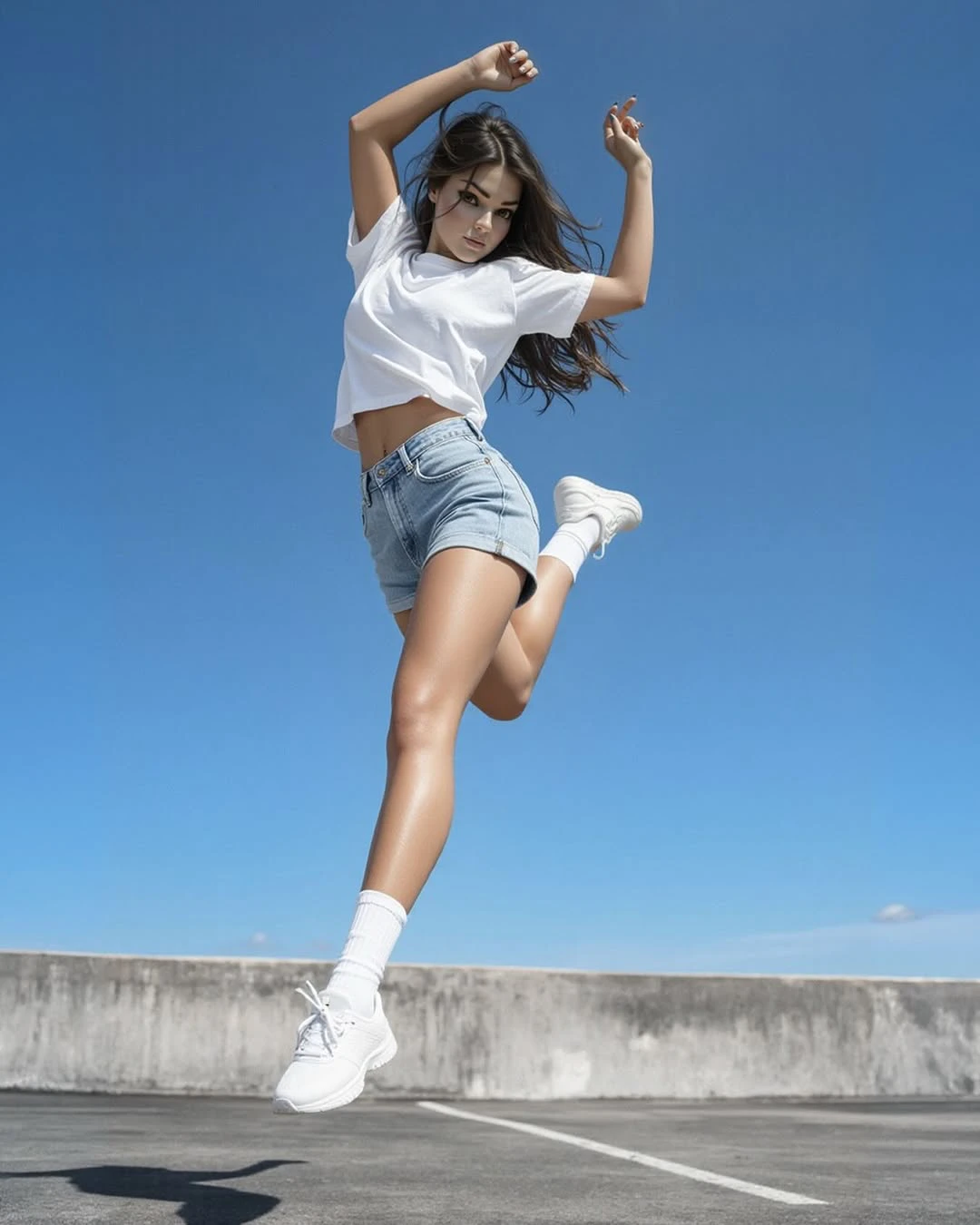
5. Shudu Gram: the virtual supermodel that opened the debate
Created in 2017 by British photographer Cameron-James Wilson, Shudu Gram is often described as the world’s first digital supermodel. Her appearance generated strong interest in the fashion industry, but also important debates around representation, diversity, and the use of digital bodies in industries that are already highly codified.
Balmain notably included her in its “Virtual Army”, alongside other digital models such as Margot and Zhi, for a campaign that explored new visual codes in luxury.
Shudu is a useful reminder: a virtual influencer is never neutral. Its appearance, story, supposed origin, and the brands that use it all say something. That is why creating a digital character requires as much responsibility as creativity.

6. Knox Frost: virtual influence in service of a public cause
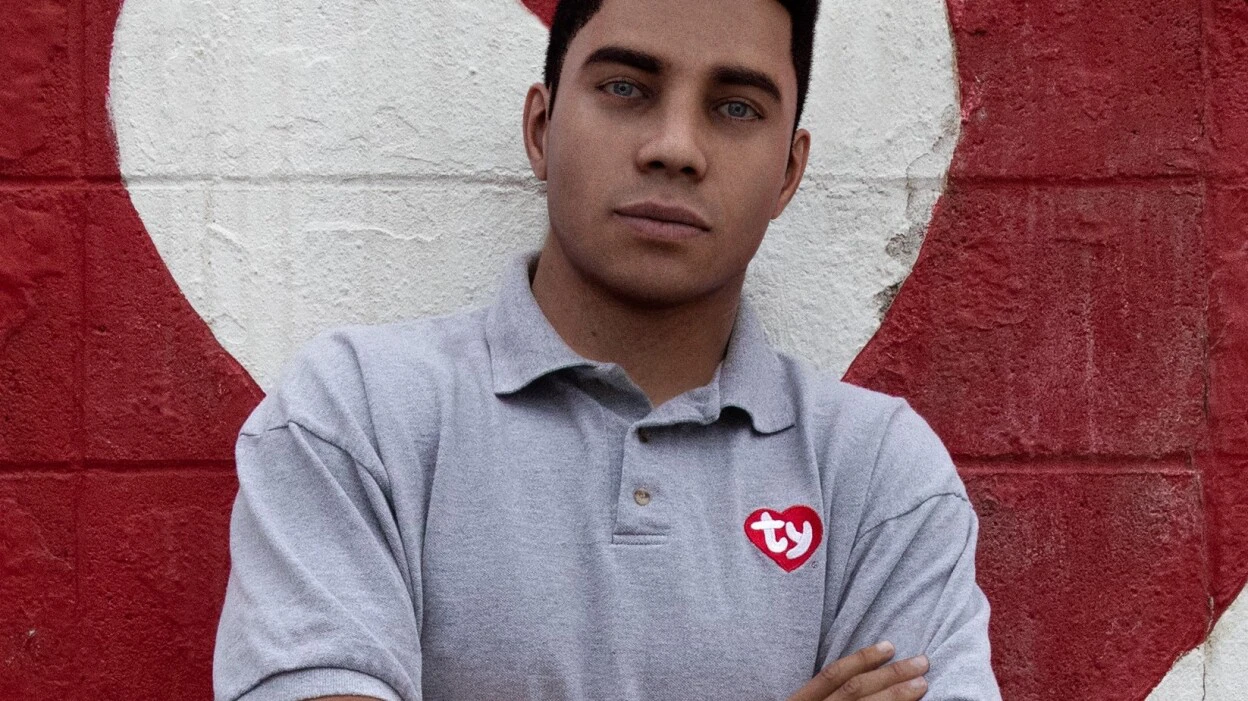
Knox Frost is a virtual influencer presented as a young man living in Atlanta. In 2020, during the Covid-19 pandemic, the World Health Organization used him to raise awareness among younger audiences about prevention measures and to support the COVID-19 Solidarity Response Fund.
This case is interesting because it goes beyond the classic commercial framework. It shows that a virtual character can be used to make an institutional message more accessible to audiences who may feel distant from traditional public communication.
For brands, the lesson is valuable: virtual influence is not only about selling. It can also help explain, raise awareness, make a complex topic more visible, or create an educational relay.
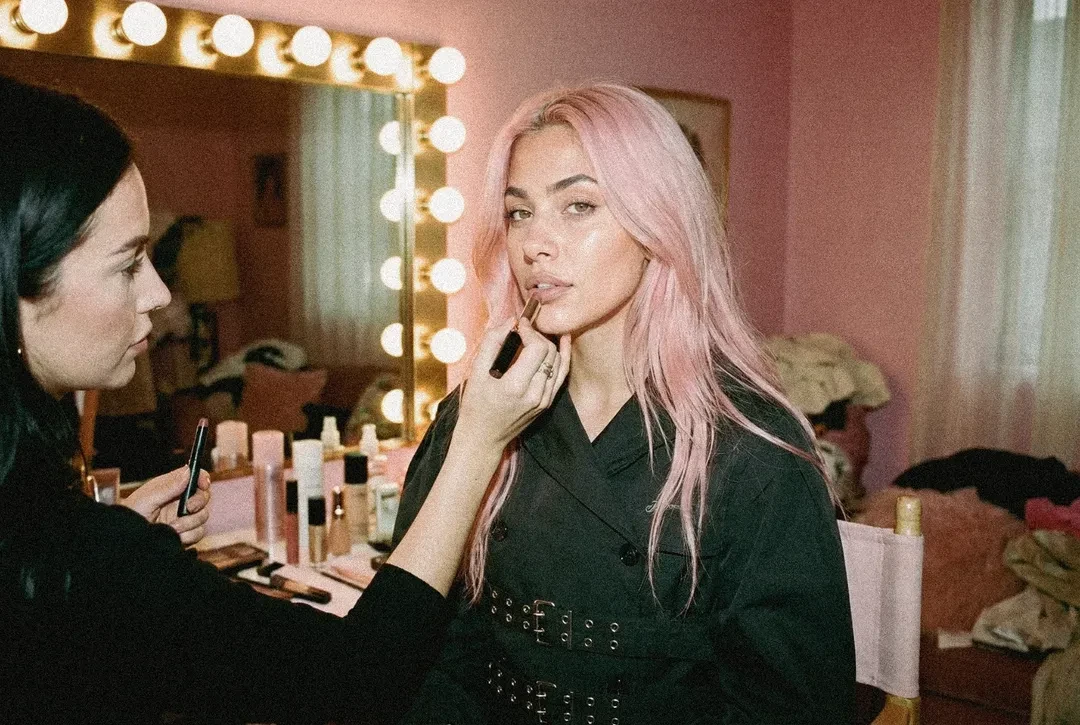
7. Aitana Lopez: the AI influencer that popularized the “synthetic creator” model
Aitana Lopez, created by the Barcelona-based agency The Clueless, attracted a lot of attention from 2023 onward. Presented as a fitness and gaming influencer, she illustrates a new generation of characters generated with the help of AI.
Her positioning is closer to today’s social creators: lifestyle content, partnerships, subscriptions, community, and a highly polished image. Several media outlets have reported that she can generate up to €10,000 per month, although this type of figure should be treated with caution, as it often relies on agency statements or media estimates.
For an SME, Aitana is interesting because she shows that the topic is no longer reserved for expensive 3D studios. With the right tools, solid art direction, and a real editorial strategy, it is becoming possible to create a more accessible digital character. But the challenge remains the same: without a strong concept, the avatar quickly becomes interchangeable.
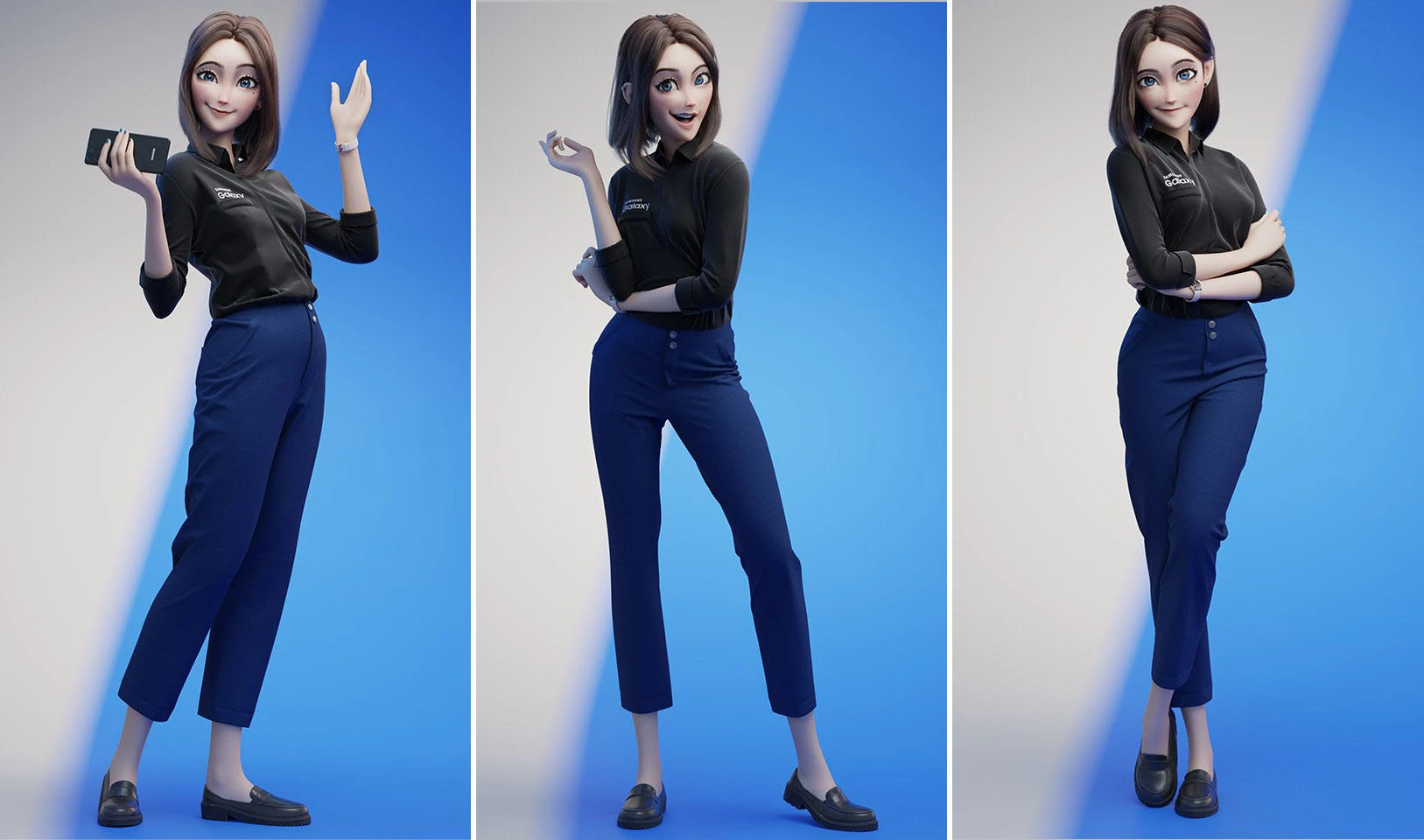
8. Samsung’s Sam: the virtual ambassador designed to embody a tech brand
Sam is a virtual character associated with Samsung. Her role is not only to represent a product, but to embody a more human relationship with technology. In some markets, Samsung has used her as a digital ambassador, particularly to create content around product launches and reach younger communities familiar with the codes of animation, gaming, and social media.
This case is especially useful for tech companies. It shows that a virtual character can help make a brand more accessible, especially when its products or services are perceived as complex. The avatar then becomes an interface: it explains, presents, animates, and creates proximity.
9. Zero: a hybrid campaign between human creators, virtual characters, and digital events
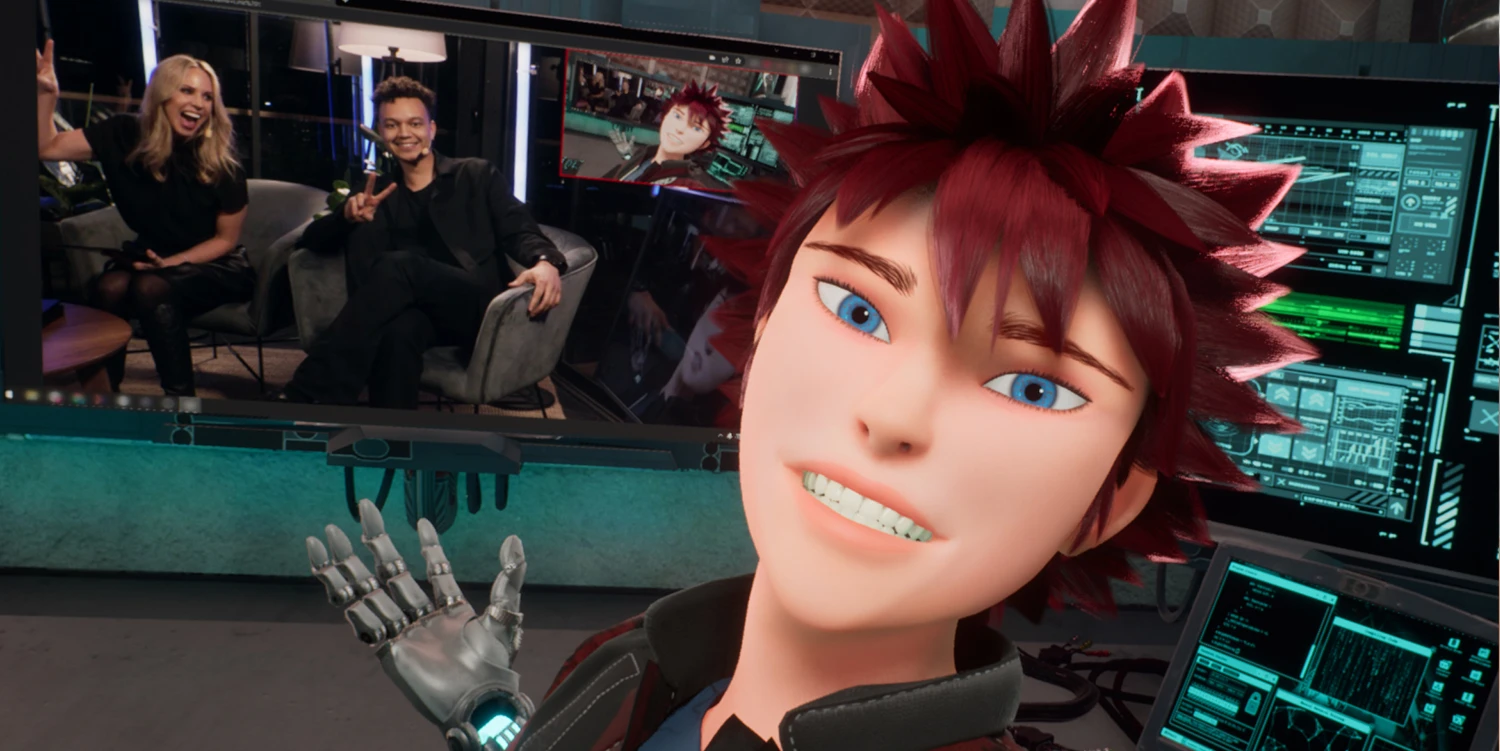
Zero, another virtual character associated with Samsung, was used as part of a product launch around the Galaxy S22, particularly in a digital event and metaverse context. The value of the campaign did not rely solely on the character, but on the combination of formats: human influence, virtual avatar, online event, and product launch.
This may be one of the most realistic paths for brands today. Rather than replacing human creators, virtual characters can enrich an existing campaign. They add a layer of storytelling, staging, or immersion without necessarily becoming the center of the entire strategy.
✨ Virtual influencers are not here to create buzz. They are here to serve your strategy.
To go further, we have gathered concrete examples of virtual influencer use cases (engage, embody, guide) with realistic formats.
What these examples have in common
These virtual influencers are very different, but they reveal several strong trends.
First, brands are looking for more consistency. A virtual character makes it possible to build a stable, controlled, and recognizable identity over time. Then, they are looking for new narrative formats. An avatar can appear in an impossible setting, travel without constraints, change visual universes, or take part in an immersive experience. Finally, brands are looking to create a more direct relationship with audiences that are already familiar with the codes of gaming, animation, 3D, and AI.
But it is important to avoid an overly simple idea: a virtual influencer is not automatically safer, cheaper, or more effective than a human influencer. It requires a strategy, art direction, an editorial line, community management, and ethical thinking. The real advantage is not total control. It is the ability to create a proprietary, scalable, and coherent brand asset.
Is it accessible for a small or medium-sized business?
Yes, but not necessarily in the form of a full virtual influencer from day one.
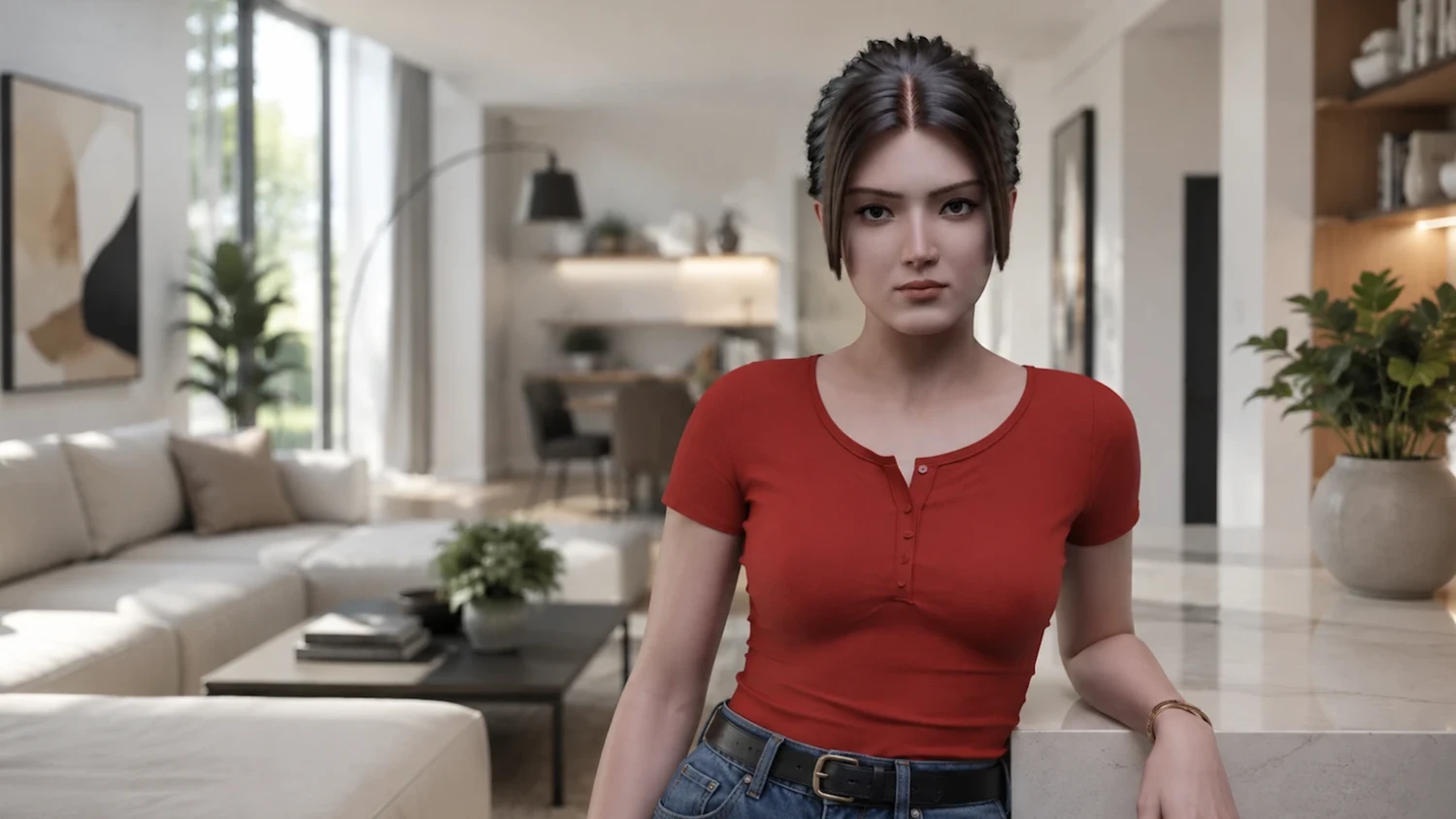
An SME does not need to create a digital star with hundreds of pieces of content per year. It can start more simply: a brand avatar to explain its services, a digital mascot to animate its social media, a 3D character to guide visitors on a website, or a recurring figure to make its content more recognizable.
The right starting point is not technology. It is the strategic question: what role should this character play for the brand? Is it there to reassure, guide, entertain, explain, embody expertise, or create preference?
When the answer is clear, the avatar becomes a communication tool. When it is not, it risks remaining a visual gimmick.
Conclusion
Virtual influencers are no longer a futuristic experiment. They are already part of the marketing landscape, especially in fashion, beauty, tech, retail, and entertainment. Their value does not lie only in their novelty, but in their ability to embody a brand in a coherent, creative, and lasting way.
For a small or medium-sized business, the goal is not to copy Lil Miquela or Lu do Magalu. It is to understand what these cases make possible: creating a character that helps the brand better tell its story, simplify its messages, and build a more memorable presence.
Would you like to imagine an avatar or virtual mascot for your brand? At Black Centauri, we help you define the right role, the right format, and the right level of ambition, always keeping technology in service of your strategy.
📌 Let’s see what’s truly relevant for you
We help you identify where a virtual influencer can truly create value, based on your context, your priorities, and your teams.