
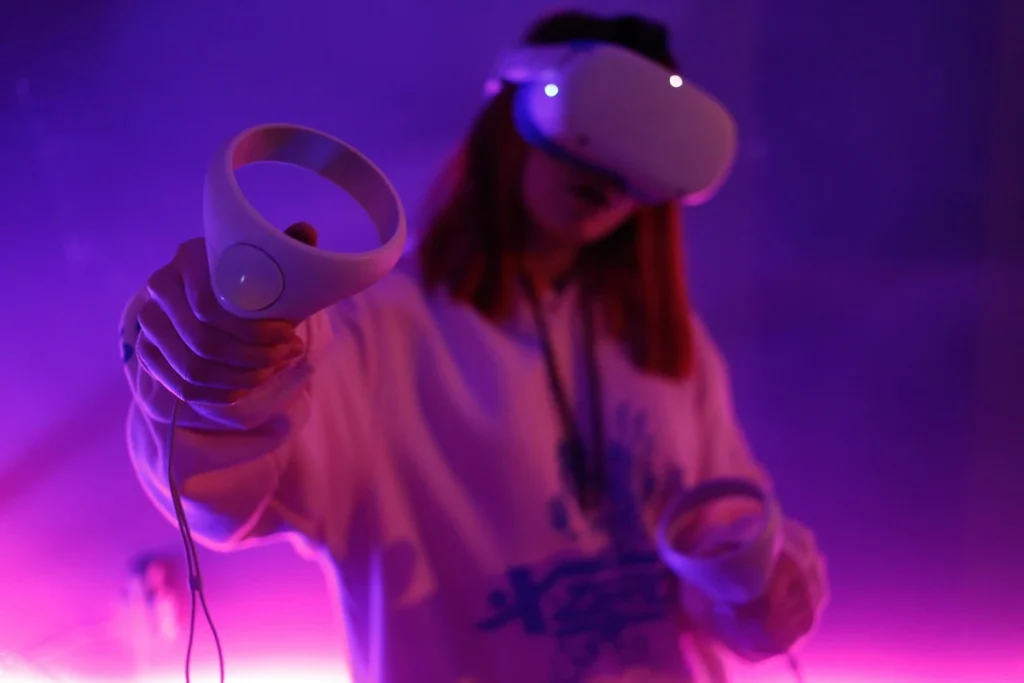
VR, AR, MR, XR… these acronyms are everywhere. Yet in real-world conversations, whether in meetings, tenders or trade shows, they are still often used interchangeably. This confusion is not harmless. It slows down decision-making, blurs priorities, and makes it harder to identify real business opportunities.
Clarifying these concepts is not just about explaining technology. It is about laying the groundwork for making the right decisions, based on your specific context.
💡 To get straight to the point, here are the key takeaways.
- XR brings together all immersive technologies. It’s an umbrella term, not a technology in itself.
- VR places you inside a fully virtual environment. It’s especially powerful for learning through experience.
- AR enhances the real world without replacing it. It helps visualize, contextualize, and make decisions more easily.
- MR goes a step further by allowing interaction with virtual objects integrated into the real environment.
- These technologies are not interchangeable. Each serves different use cases and levels of immersion.
- The key is not the technology you choose, but the problem you’re trying to solve.
XR: the big picture behind immersive technologies
XR (Extended Reality) is an umbrella term that brings together all immersive technologies that alter how we perceive reality through digital content.
If you would like to explore how XR is used in business, you can read our full guide: What is XR? A complete guide to understanding its uses in business
In simple terms, XR provides the overall framework, while VR, AR, and MR represent different approaches, each with its own use cases and impact. This is often where confusion begins, because these technologies are grouped together even though they solve very different problems.
VR – Virtual Reality: experience before it exists
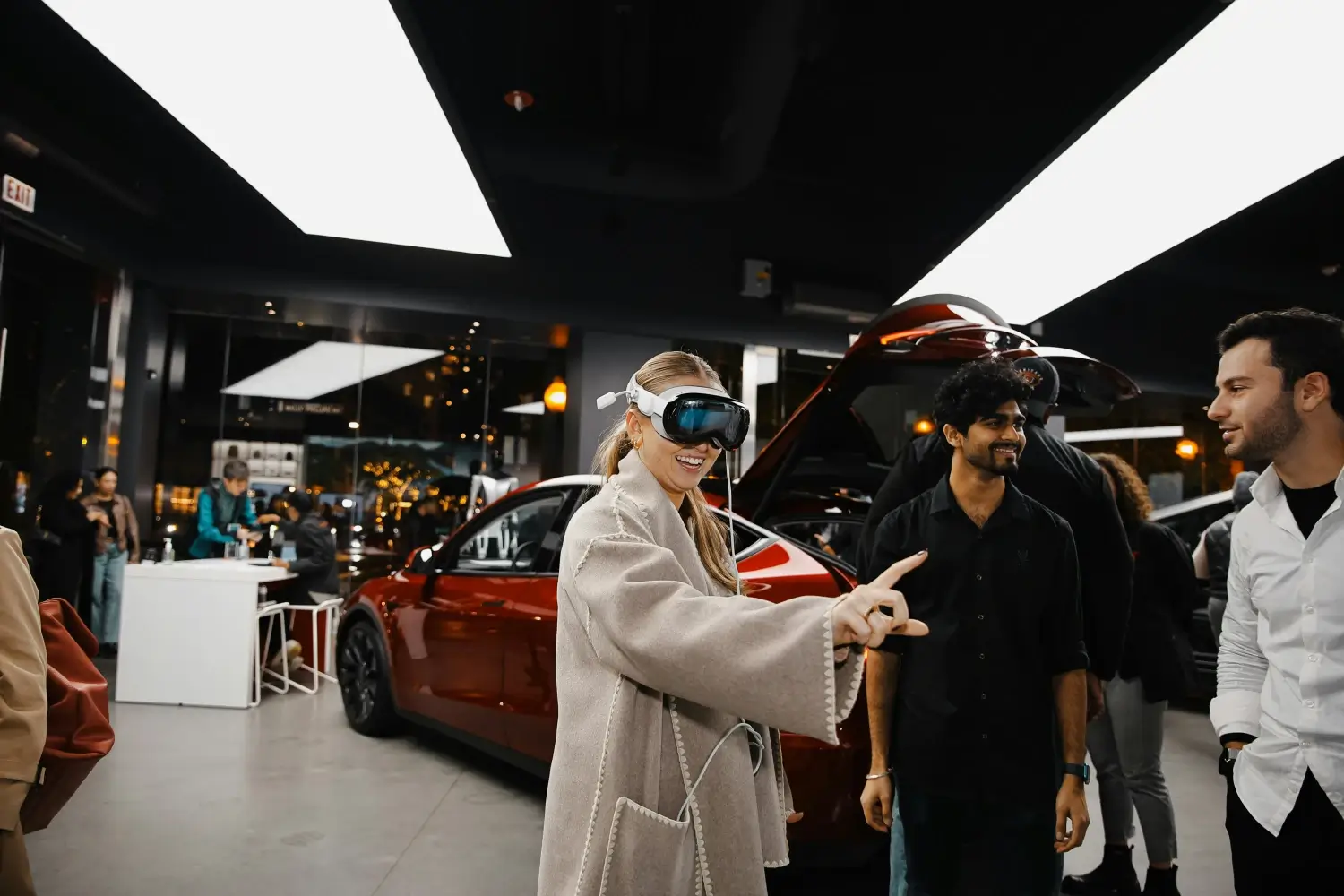
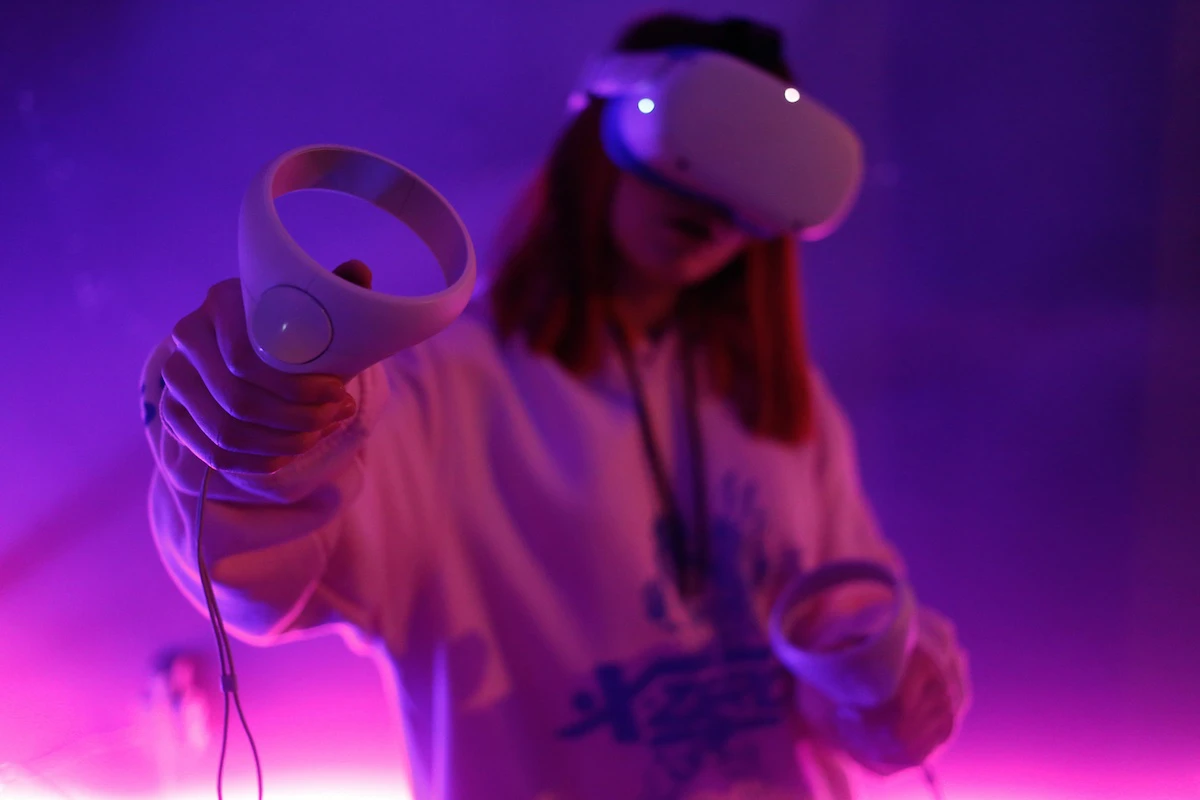
VR (Virtual Reality) immerses users in a fully digital environment, cutting them off from the physical world. This fundamentally changes how people understand things. Where explanations can remain abstract, immersive experiences make it possible to grasp a space, a product, or a situation instantly.
You are no longer just explaining. You are letting people experience. This makes VR particularly valuable when what you want to show does not exist yet, is difficult to reproduce, or requires a strong level of projection.
In real estate, it allows stakeholders to visit a project before it is built and helps accelerate decision-making. In training, it enables teams to experience rare or high-risk situations without operational consequences. In B2B marketing, it provides a far more engaging way to present complex products.
💡 Key takeaway: VR is most effective when understanding comes through experience.
AR – Augmented Reality: bringing clarity to the real world
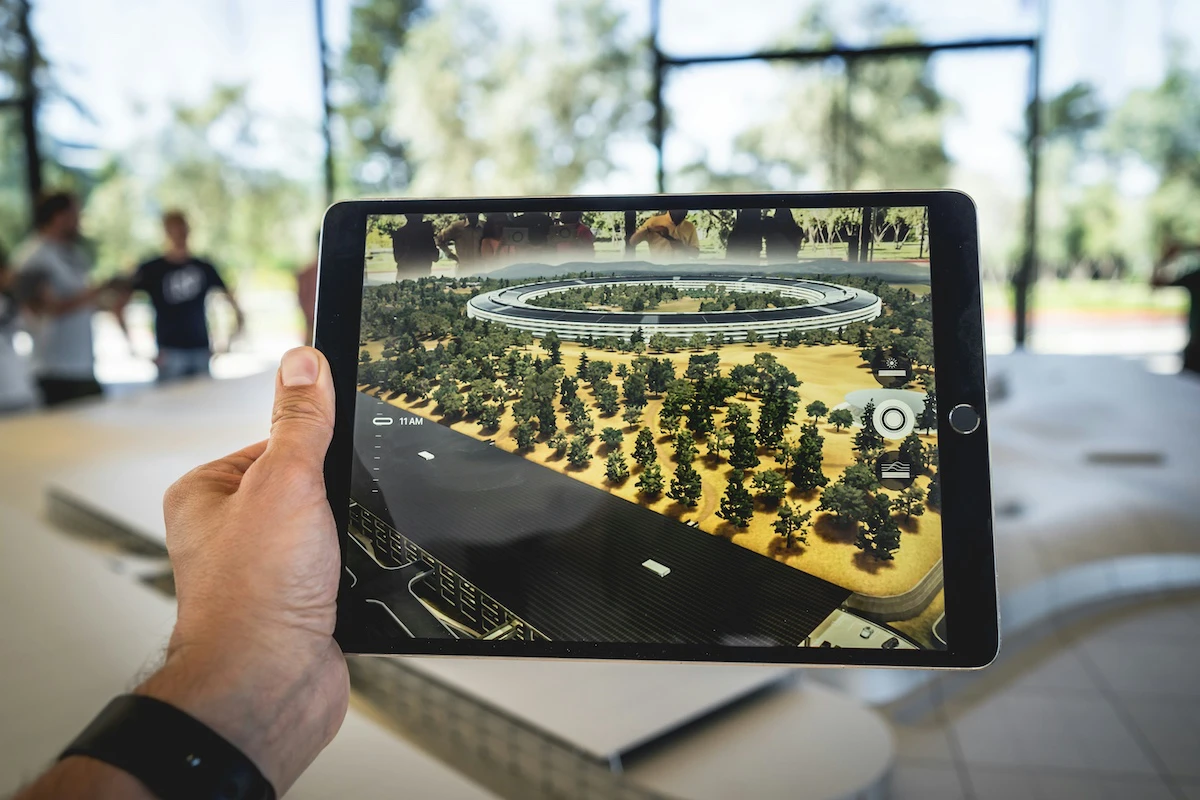
AR (Augmented Reality) enhances the existing environment by adding digital elements. It does not replace reality, it makes it easier to understand.
By placing information directly in context, AR allows users to stay focused on their environment without interrupting their actions. This is what makes it especially powerful in real-world situations.
On-site, a project can be visualized directly in its future location, making validation easier. In operational settings, users can be guided step by step, reducing errors. In a sales context, clients can visualize a product in their own environment, which significantly speeds up decision-making.
💡 Key takeaway: AR is ideal when the goal is to support decisions in real-world contexts.
MR – Mixed Reality: interacting with digital as if it were real
MR (Mixed Reality) blends the physical and digital worlds, enabling real-time interaction between the two. Digital objects are no longer just displayed. They behave as if they are part of the environment, adapting, responding, and being manipulated. This shifts the experience from simple visualization to true interaction.
MR is currently the most advanced of the three technologies, but more importantly, it delivers strong value in collaborative and complex decision-making environments.
In architecture, it allows teams to interact with full-scale models in real space. In training, it enables safe interaction with hybrid systems. In heritage and cultural experiences, it brings environments to life with dynamic, interactive content.
💡 Key takeaway: MR is most relevant when interaction, testing, and collaboration are key.
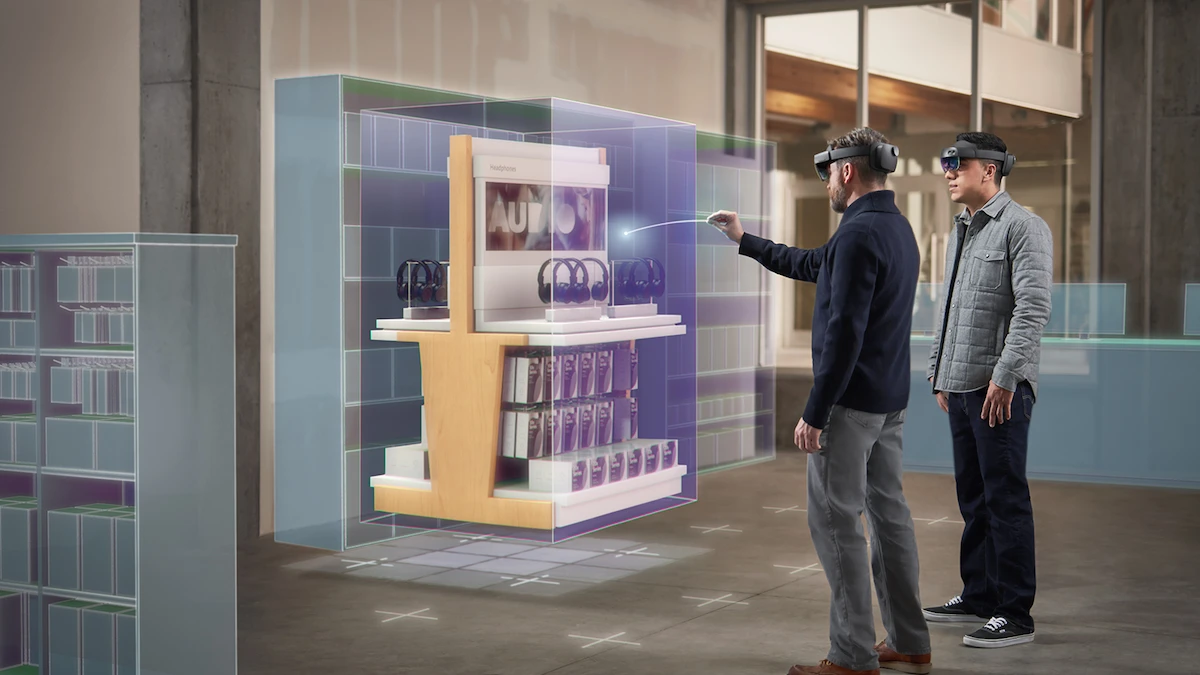
VR, AR, MR: what are the differences?
| Technology | Relationship to reality | Immersion | Equipment | Key use |
|---|---|---|---|---|
| AR | Enhanced real world | Low | Smartphone / tablet / glasses (future) | On-site visualization, sales support |
| MR | Real + interactive digital | Medium | Headsets (HoloLens, Apple Vision Pro…) | Collaboration, prototyping |
| VR | Fully virtual | High | Immersive headsets (Meta Quest, Apple Vision Pro, Pico…) | Training, immersive experiences |
| XR | All approaches combined | Variable | Variable | Umbrella term |
Why clearly distinguishing VR, AR, and MR matters today?
Immersive technologies are no longer something to explore later. They are already being integrated into real business use cases, especially in training, B2B marketing, and project visualization. But be careful: immersive technology doesn’t automatically create value. Without a clear objective and proper integration, it can quickly become a cost, a gimmick, or a project that never moves beyond the demonstration stage.
Virtual reality, augmented reality, and mixed reality each serve different purposes, with different levels of immersion and impact. Confusing them can slow down decisions or lead projects in the wrong direction.
XR, as a whole, is growing rapidly. According to Precedence Research1, the market could reach $346 billion by 2030, with an average annual growth rate of around 33%. As is often the case with this type of projection, these figures are only indicative, but they reflect an underlying trend.
Companies that create real value with these technologies are not the ones experimenting for the sake of it. They are the ones clearly identifying the business problem they want to solve and choosing the right level of immersion to address it.
As Christian Homburg from Alliance Manchester Business School explains, XR technologies “will bring powerful benefits to B2B sales. They can help customers evaluate products, personalize complex offers, and deliver real value at the moment of decision.”
✨ XR isn’t here to impress. It’s here to be useful.
If you’d like to go further, we’ve gathered concrete XR project examples (visualize, train, engage) with realistic formats.
What this means for your business?
If you work in real estate, training, or B2B marketing, these technologies unlock very concrete opportunities. They help reduce uncertainty in decision-making, improve how your offers are understood, and create more engaging and memorable experiences.
However, this potential depends on one key factor: choosing the right approach. VR, AR, and MR are not interchangeable. Each one serves a different purpose and delivers different outcomes.
At this stage, one question usually comes up: which technology is the right fit for your context? The answer depends less on the technology itself and more on your objective. Are you trying to train, convince, visualize, or collaborate?
What to keep in mind moving forward
XR is not a single technology, but a set of possibilities. Understanding the differences between VR, AR, and MR is already a step toward making better decisions.
If you are exploring how to apply these technologies to your projects, the best place to start is a simple conversation. In just a few minutes, you can clarify your needs, identify the right approach, and avoid costly or inappropriate choices.
📌 Let’s see what’s truly relevant for you
We help you clarify where XR can genuinely create value, based on your context, your priorities, and your teams.
- Precedence Research. “Extended Reality Market is Likely to Rise at 33.09% CAGR By 2030.” Retrieved 2026 from https://www.precedenceresearch.com/press-release/extended-reality-market[](https://www.precedenceresearch.com/press-release/extended-reality-market) ↩︎